
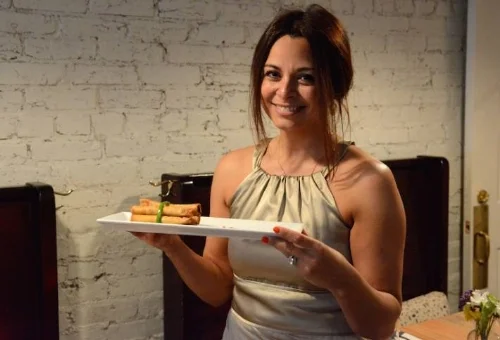
Filipino Food Hits the Mainstream
Filipino immigrants have struggled to have much impact on mainstream U.S. culture, especially around food and drink. The problem is compounded, Ponseca adds, by a well-documented trait: It’s called “hiya” (pronounced “hee-yah” in Tagalog), and the word translates into English as “shame” or “dishonor.” Some Filipino immigrants in America have felt a sense of hiya around their food, with its duck embryos, pig’s blood, shrimp paste and other potentially hard-to-swallow ingredients.
News story courtesy of Washington Post
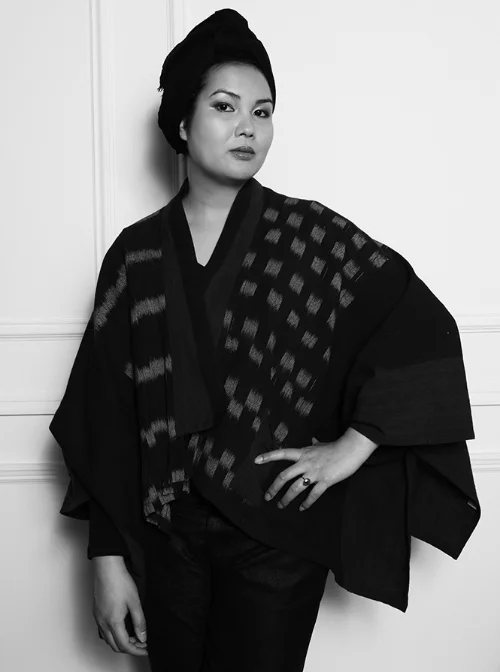
Filipina-American Shoe Designer Ivy Kirzhner Aims to Empower Women through Footwear
With a contemporary footwear line that is one of the highest grossing brands in Saks 5th Avenue, Filipina-American designer Ivy Kirzhner is ruling the footwear industry--both in the U.S. and abroad. But when asked about her global success, Kirzhner gives a lot of credit to her immigrant upbringing and her beloved Queens, the New York borough from which she hails.
Kirzhner was born in Cabanatuan City, Philippines, though most of her early childhood was spent in Manila, the country's capital. In 1989, she moved to the United States, where her family settled in Woodside, Queens, an area with a large Filipino-American community.
News story courtesy of NBC News

FLYPRO Delegates
FYLPRO delegates put aside their business attire and rolled up their sleeves as they tried their hand at farming and tree planting during their visit to the Ayala Foundation Inc. livelihood project site in Calauan, Laguna.
News story courtesy of Asian Journal

Not Your Average Beauty Queen
Within days of becoming the first aboriginal woman to win this international pageant, 25-year-old is calling Ashley Callingbull out the Conservative party, which faces elections next month, for ignoring First Nations issues, including missing and murdered aboriginal women.
News story courtesy of Women's eNews
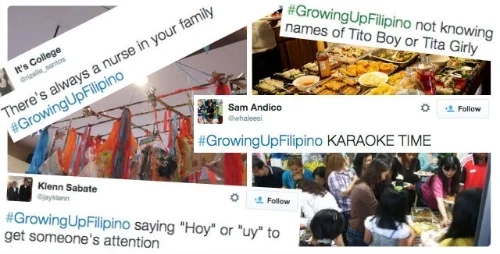
#Growingupfilipino Trending On Social Media
When the hashtag #GrowingUpFilipino became a trending topic, social media was ablaze. From Instagram posts to telling tweets, nostalgic people everywhere took to social media to post about what it was like to grow up in a Pinoy household.
News story courtesy of Asian Journal